
Hayek Insurance Blog
|
 Choosing the right car for your lifestyle is a significant decision that requires careful consideration of various factors. Whether you're a daily commuter, an adventurous road-tripper, or a family-focused individual, selecting a vehicle that matches your needs is crucial. Here's a comprehensive guide to help you make an informed choice.
0 Comments
 Embarking on a road trip is an exciting adventure filled with new experiences and memorable moments. Whether you're traveling solo, with friends, or with family, proper preparation is key to ensuring a smooth and enjoyable journey. In this article, we'll explore the must-have items for a road trip that will enhance your comfort, safety, and overall experience on the open road.
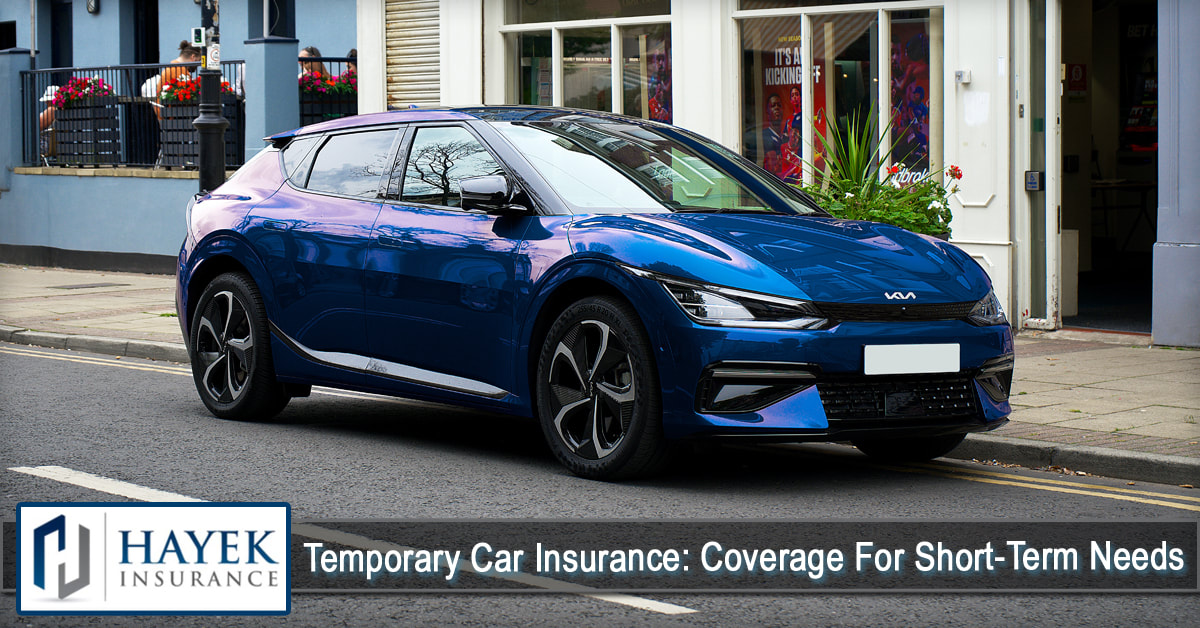 Temporary car insurance, also known as short-term car insurance, provides coverage for individuals who need insurance for a brief period, typically ranging from a few days to several months. Whether you're borrowing a friend's car, renting a vehicle for a weekend getaway, or need coverage while your primary vehicle is undergoing repairs, temporary car insurance offers a flexible and convenient solution to meet your short-term insurance needs. In this blog post, we'll delve into the details of temporary car insurance, including its features, benefits, and when it may be a suitable option for you.
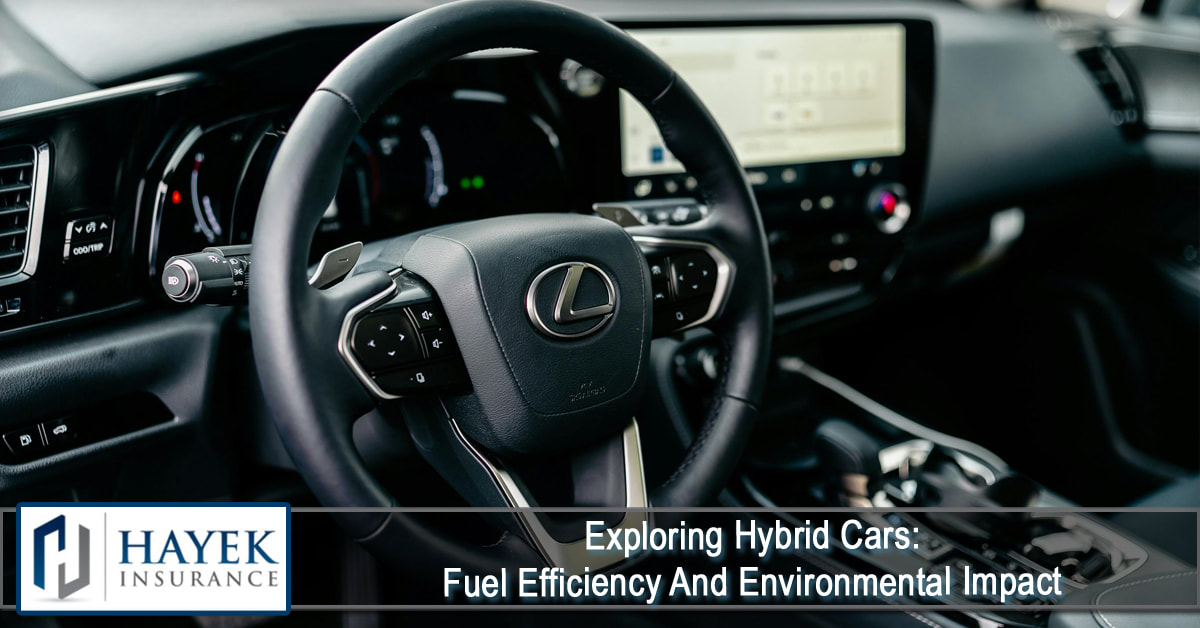 In recent years, hybrid cars have gained popularity as environmentally friendly alternatives to traditional gasoline-powered vehicles. Combining an internal combustion engine with an electric motor, hybrid cars offer improved fuel efficiency and reduced emissions, making them an attractive option for eco-conscious consumers. In this blog, we'll explore the benefits of hybrid cars in terms of fuel efficiency and environmental impact, examine how they work, and discuss their potential impact on the auto industry and the environment.
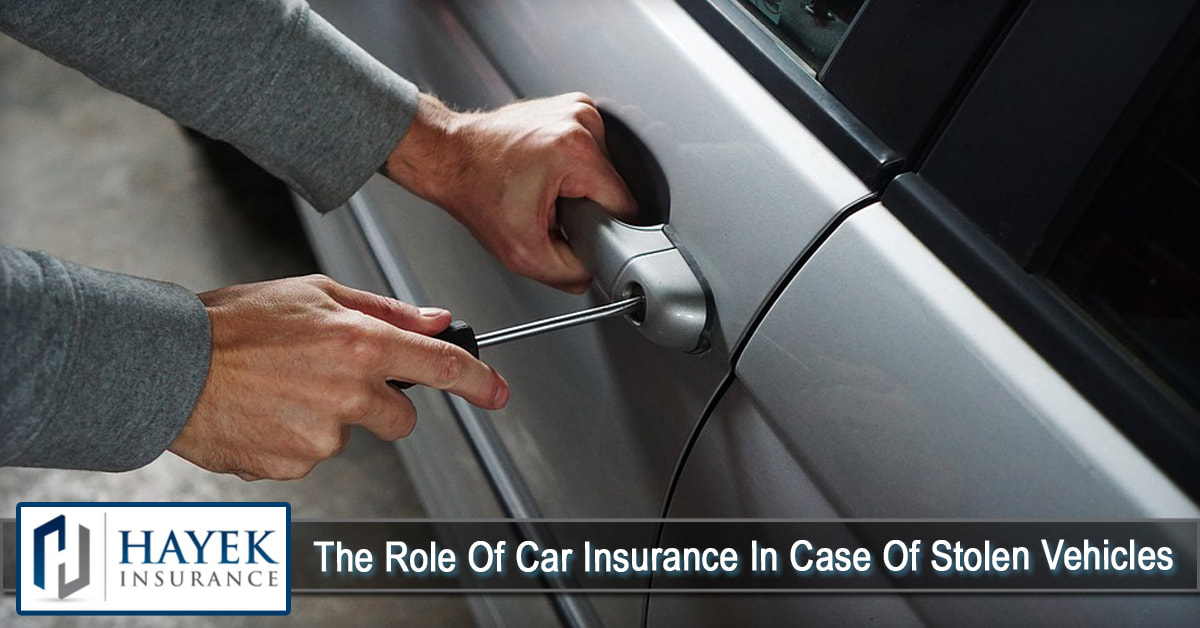 Car theft is an unfortunate reality that many vehicle owners may face at some point. When your car is stolen, it can be a distressing experience, and you may wonder how your car insurance comes into play. In this blog, we'll explore the role of car insurance when it comes to stolen vehicles, including the coverage options and steps to take if your car is stolen.
 Negotiating the purchase of a new or used car can be a daunting task, but with the right approach and preparation, you can secure the best possible deal and save money in the process. From researching prices to leveraging your bargaining power, there are several strategies that savvy car buyers can employ to negotiate effectively with dealerships and private sellers. In this article, we'll share valuable tips for mastering the art of negotiation and walking away with a great car deal.
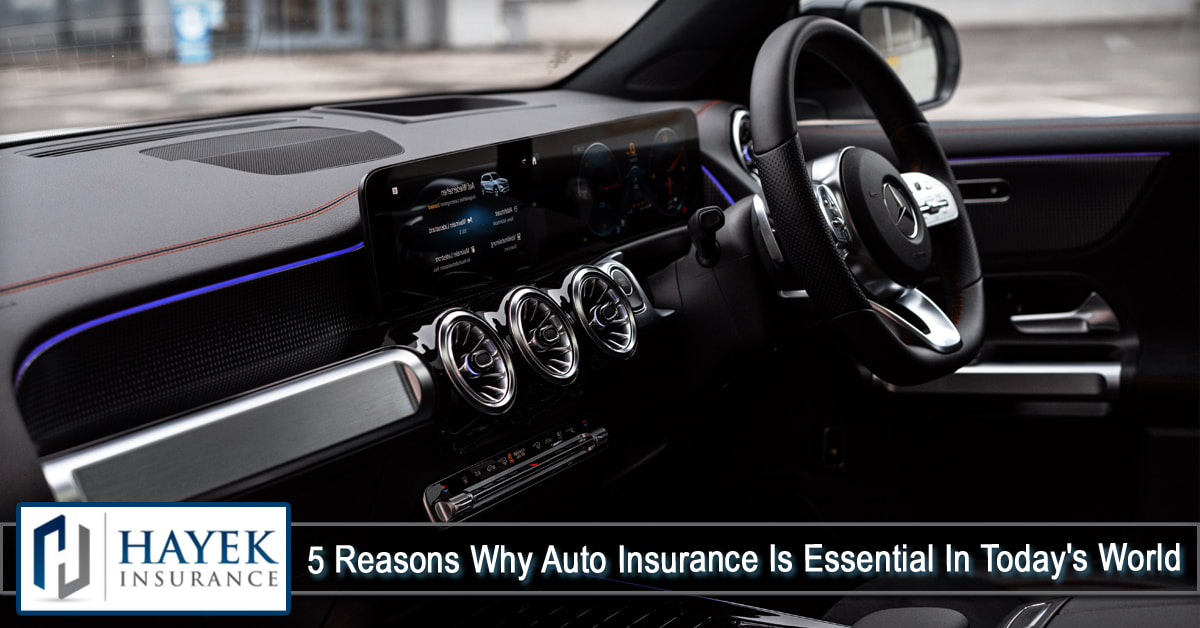 Owning a car is both a luxury and a necessity, offering the convenience of traveling to your desired destinations. However, life has a way of presenting unexpected challenges, such as car accidents. While you may enjoy driving with your favorite music and a cup of Starbucks in hand, accidents can happen when you least expect them.
Car accidents have tragically become one of the leading causes of death in America, with an alarming statistic of over 2 million accidents occurring each year, as reported by the Centers for Disease Control and Prevention (CDC). These events are sudden and often beyond our control, underscoring the importance of having auto insurance. 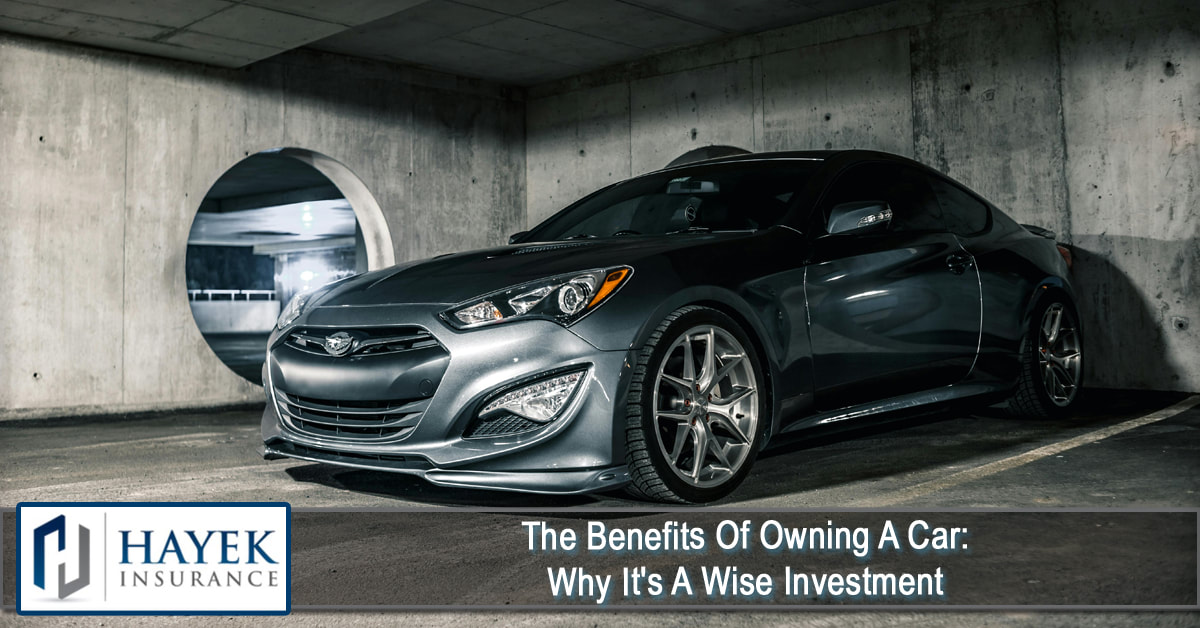 In today's world, owning a car has become a standard part of many households, with 93% already having at least one vehicle. If you're contemplating whether to invest in a car, it's essential to recognize that it's more than just a mode of transportation; it's a long-term investment that offers numerous advantages. Let's delve into the benefits of owning a car and understand why it's a wise choice.
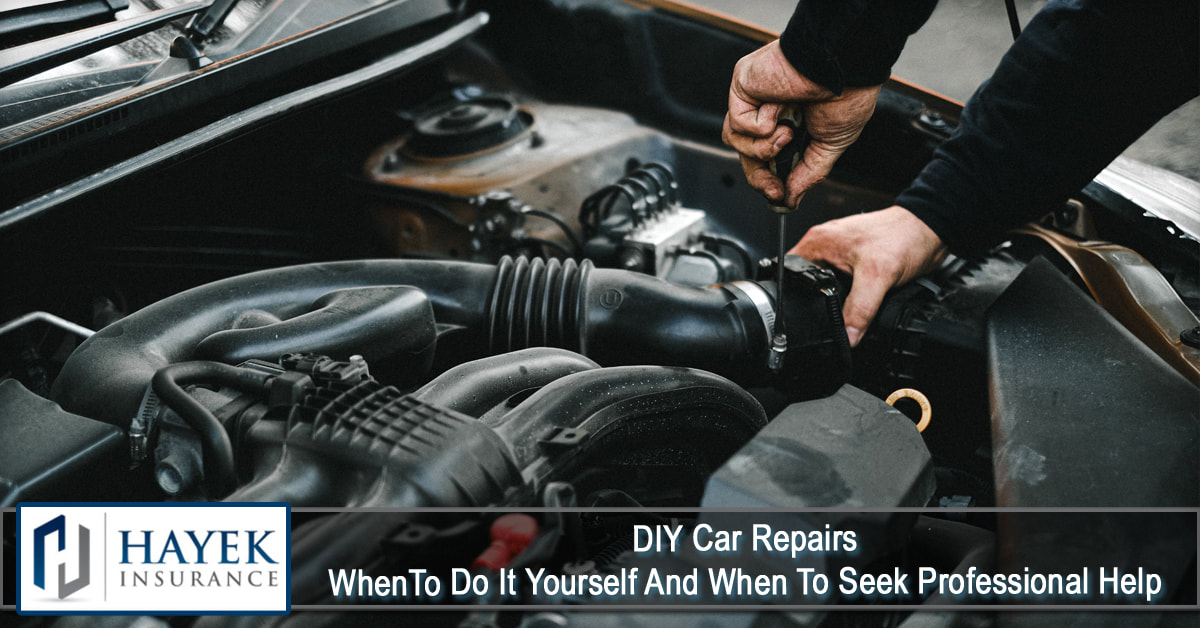 Owning a car comes with the responsibility of maintenance and repairs. While many car enthusiasts enjoy tackling DIY projects, not all car issues can be fixed in your garage. In this blog, we'll discuss the factors to consider when deciding between DIY car repairs and seeking professional help. Additionally, we'll explore how your decisions can impact your Auto Insurance coverage and premiums.
Understanding The Difference Between Actual Cash Value And Replacement Cost In Car Insurance8/21/2023 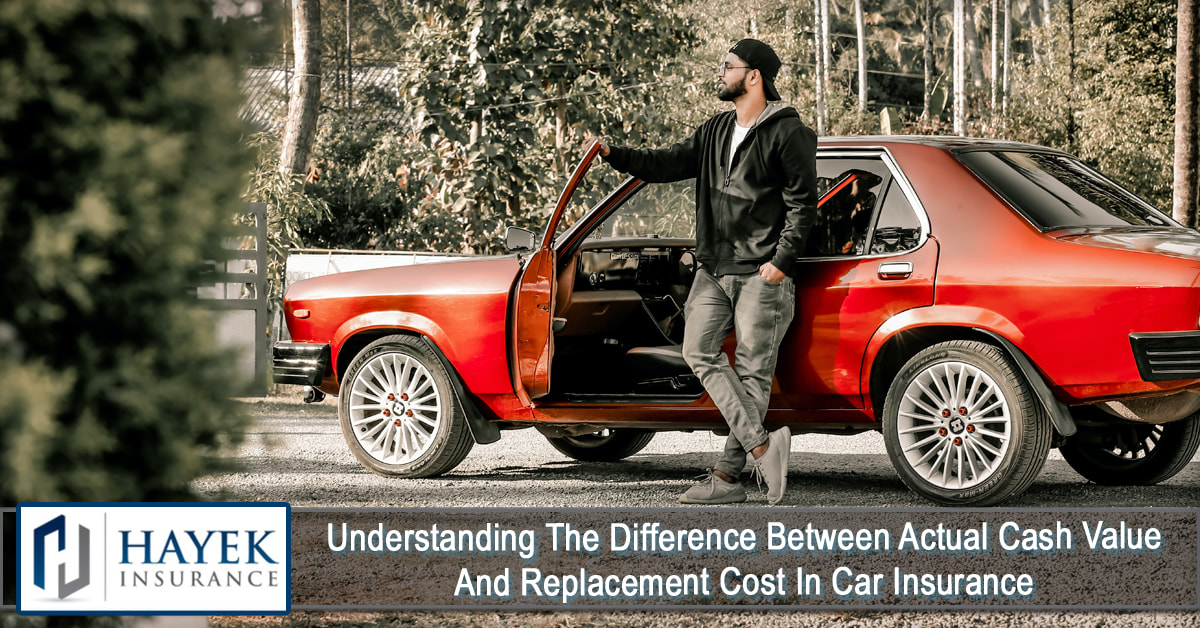 When it comes to auto insurance, understanding the difference between actual cash value (ACV) and replacement cost is crucial. Both terms refer to the valuation of your vehicle in the event of a covered loss, such as an accident or theft. In this blog, we will delve into the distinction between ACV and replacement cost, particularly in the context of auto insurance in Carlsbad, CA. By grasping these concepts, you can make informed decisions regarding your coverage and ensure you have the right protection for your vehicle.
|
Contact Us
(805) 496-8835 Archives
July 2024
Categories
All
|
 RSS Feed